
A small drop in pool water level after closing is normal due to evaporation, but losing more than a quarter-inch per day often signals a leak. Maryland homeowners can check for leaks using a simple bucket test, inspecting equipment for wet spots, and watching for cracks near skimmers, lights, or the liner before winter settles in.
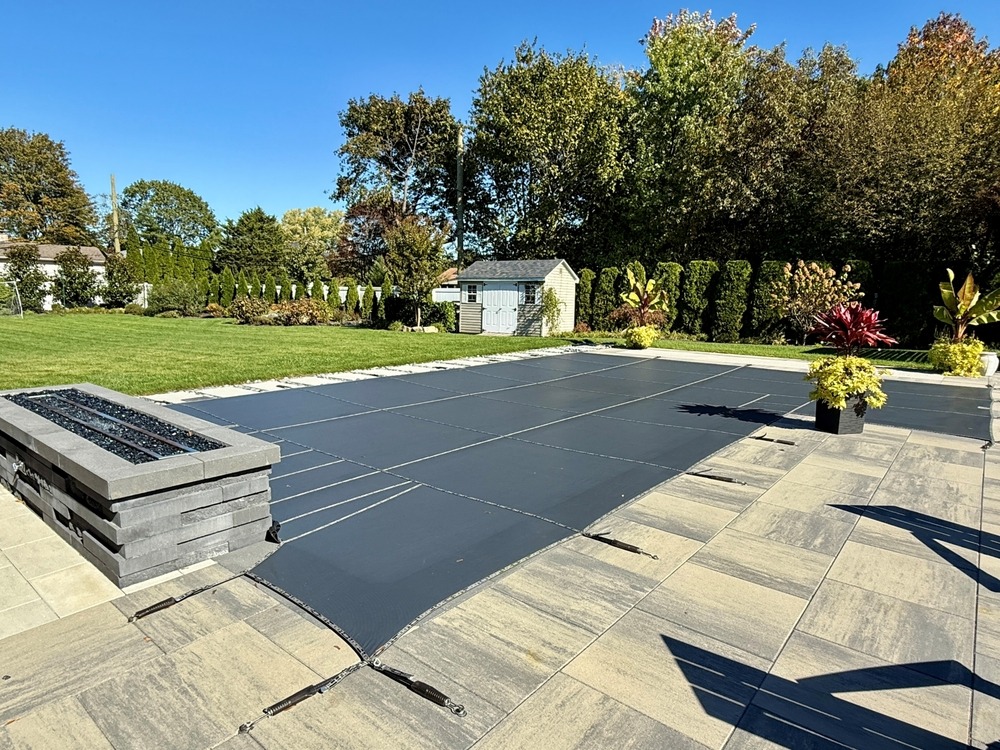
If you’ve noticed your pool water sitting a little lower than it should be after closing for the season, you’re not alone. Every fall, Carroll County, Baltimore County, Howard County, and Harford County homeowners ask the same question: is this normal evaporation, or is my pool actually leaking?
The honest answer is that it depends. Maryland’s swings between warm autumn afternoons and cold overnight temperatures can accelerate evaporation, making water loss look more dramatic than it really is. But a genuine leak left unaddressed over winter can lead to structural damage, equipment strain, and a much more expensive repair bill come spring. Knowing the difference now, while your pool is closed, can save you a headache later.
Why Pools Naturally Lose Water After Closing
Before assuming the worst, it helps to understand that some water loss is expected. Evaporation rates increase with wind, low humidity, and temperature fluctuations, all of which are common during a Maryland fall. A pool can reasonably lose anywhere from a quarter-inch to half an inch of water per day from evaporation alone, especially if it’s still partially exposed or the cover isn’t fully sealed.
Splashing, backwashing, and even humidity levels in the days leading up to closing can also affect your starting water level. So if your pool has dropped slightly since you closed it, that alone isn’t necessarily cause for alarm.
The real question is whether the water loss is consistent with evaporation or happening at a faster, more irregular pace. That’s where a little detective work comes in.
How to Tell If Your Pool Has a Leak
Try the Bucket Test
The bucket test remains one of the most reliable ways to distinguish evaporation from an actual leak. Here’s how it works:
- Fill a bucket with pool water and place it on a step or ledge so the water level inside the bucket matches the pool’s water level.
- Mark both the bucket’s water line and the pool’s water line.
- Wait 24 hours, then compare the two.
If the pool’s water level has dropped significantly more than the bucket’s, you’re likely dealing with a leak rather than ordinary evaporation. If both have dropped at roughly the same rate, your pool is probably just doing what Maryland weather expects it to do.
Inspect Your Equipment for Wet Spots or Puddling
Walk around your pool equipment pad and look for damp soil, unexplained puddles, or wet spots near the pump, filter, or heater. Leaks often originate at equipment connections, valves, or fittings rather than the pool structure itself. A slow equipment leak might not show up as a dramatic water loss right away, but it can worsen over the winter months if left unaddressed.
Check Skimmers, Lights, and Fittings
Cracks or separation around skimmers, light niches, and return fittings are common leak points, particularly in older pools or those that have been through several Maryland winters. Run your hand along these areas and look closely for small cracks, gaps, or signs of water staining. Even a hairline crack can allow water to escape steadily over time.
Look for Soft or Shifting Ground Near the Pool
If the ground around your pool deck feels unusually soft, sinks slightly, or shows signs of erosion, that can indicate water is escaping underground rather than evaporating into the air. This is especially important to catch before winter, since saturated soil combined with freezing temperatures can lead to additional structural stress.
Monitor the Liner or Pool Surface
For vinyl liner pools, check for wrinkles, bubbles, or areas where the liner seems to be pulling away from the pool wall. For concrete or gunite pools, look for new cracks or areas where the surface seems to be deteriorating. These issues don’t always cause dramatic leaks right away, but they’re worth noting and monitoring over the winter.
Why Catching a Leak Before Winter Matters
A leak that goes unnoticed during the off-season doesn’t just waste water. It can lead to foundation issues, damaged plumbing lines, and costly repairs once you reopen your pool in the spring. Maryland’s freeze-thaw cycles make this especially important. Water that seeps into cracks and then freezes can widen those cracks significantly, turning a minor issue into a major one by the time pool season rolls around again.
This is one of the reasons a proper, professional pool closing matters so much. A pool that’s winterized correctly, with equipment drained, water chemistry balanced, and the cover properly secured, is far less likely to develop new problems over the winter months. If a leak is already present, catching it during closing gives you the chance to address it while the pool is empty of swimmers and before freezing temperatures make repairs more complicated.
What to Do If You Suspect a Leak
If your bucket test, equipment inspection, or visual check points to a leak, the next step is getting a professional evaluation. Leaks aren’t always visible to the untrained eye, and pinpointing the exact source, whether it’s the liner, plumbing, equipment, or structure, often requires specialized tools and experience.
Patriot Pools has helped hundreds of homeowners across Carroll County, Baltimore County, Howard County, and Harford County keep their pools in top condition through every season, including the ones when problems are easiest to overlook. Our service-first approach means we don’t just patch symptoms. We look at the full picture, from equipment to structure, to identify the real source of water loss and recommend the right fix.
Protect Your Pool Through Winter and Beyond
A little water loss after closing is often nothing to worry about, but a few minutes of checking now can prevent a much bigger problem when you reopen in the spring. If your bucket test results seem off, or if you’d simply rather have a professional take a look before winter sets in fully, Patriot Pools is here to help.
Contact Patriot Pools today to schedule a leak inspection or ask about our pool closing services. We’ll make sure your pool is protected and ready for a smooth reopening when warm weather returns.