
As Maryland temperatures drop, pool heaters work harder to maintain comfortable swimming conditions, which makes fall the ideal time to schedule service. Watch for inconsistent water temperature, strange noises, rising energy bills, and visible corrosion. Patriot Pools recommends a professional inspection before closing season to catch issues early and protect your equipment through winter.
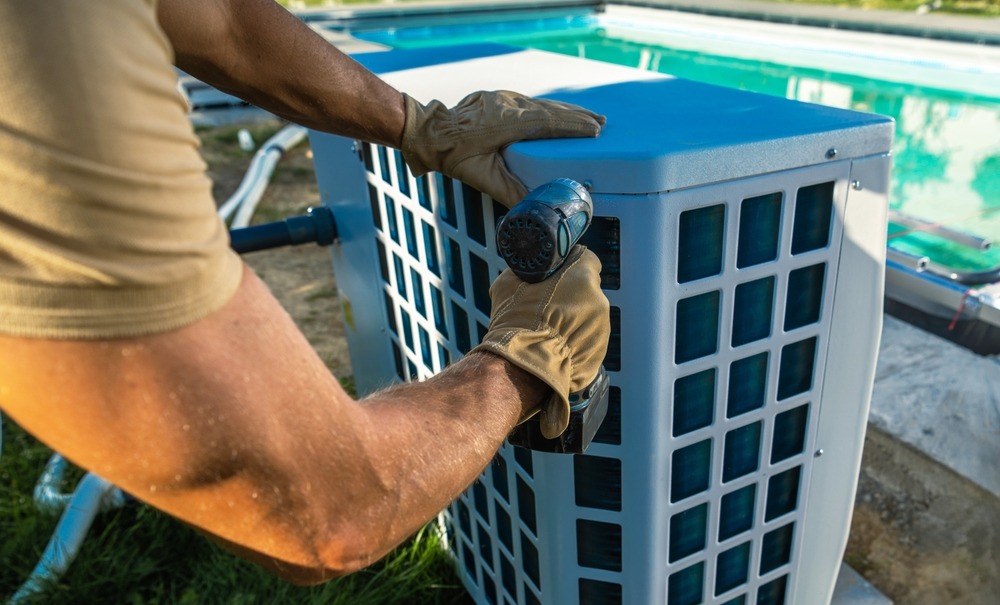
Carroll County mornings start getting that crisp edge somewhere around late September, and that’s usually the first sign homeowners notice their pool isn’t holding heat the way it used to. A pool heater that cruised through July without a second thought can suddenly feel sluggish, inconsistent, or downright unreliable once the air cools. That’s not a coincidence. Heaters work harder as ambient temperatures drop, and any minor inefficiency that went unnoticed all summer tends to show up right when you need the equipment most.
For Maryland pool owners, fall isn’t just about enjoying a few extra weeks of swimming before closing time. It’s also a narrow window to catch heater problems before they turn into costly repairs or, worse, equipment failure right before closing season. A quick service check now can mean the difference between a smooth transition into winter and an expensive surprise next spring.
Why Pool Heaters Need Extra Attention in Fall
Pool heaters are built to compensate for temperature loss, but they have limits. During peak summer, your heater might only need to raise water temperature by a few degrees. As Maryland’s fall weather sets in, that gap widens, and the system has to work considerably harder to maintain the same comfort level.
This added strain tends to expose problems that were already brewing, such as mineral buildup in the heat exchanger, worn electrical components, or a thermostat that’s no longer reading accurately. A heater running at full capacity will struggle to keep up if these issues haven’t been addressed, leaving you with cold water on exactly the days you were hoping to stretch the swim season a little longer.
Fall service also sets the stage for a smoother pool closing. A heater that’s cleaned, inspected, and functioning properly is far easier to winterize correctly, which reduces the risk of freeze damage or corrosion while the pool sits dormant.
What Are the Warning Signs a Pool Heater Needs Service?
Most heater problems don’t appear overnight. They build gradually, and homeowners often attribute the early symptoms to “normal” seasonal changes rather than equipment issues. Here’s what to watch for before you write it off as just a chilly morning.
Inconsistent or Declining Water Temperature
If your pool water feels cooler than expected, even with the heater running, that’s often the clearest sign something is off. This can point to a failing thermostat, a clogged filter restricting water flow, or a heat exchanger that isn’t transferring heat efficiently anymore.
Unusual Noises During Operation
A properly functioning pool heater should run relatively quietly. Popping, rumbling, or banging sounds usually indicate mineral deposits or scale buildup inside the heat exchanger, which forces the unit to work harder and can lead to premature failure if left unaddressed.
Rising Energy Bills Without a Clear Explanation
When a heater loses efficiency, it compensates by running longer and consuming more energy to reach the same temperature. If your utility costs are climbing without an obvious reason, your heater may be straining to overcome an underlying mechanical issue.
Visible Corrosion or Rust
Corrosion around the heater’s housing, connections, or internal components is a sign that moisture, chemical imbalance, or age is compromising the unit. Left unchecked, corrosion can spread quickly and shorten the lifespan of the entire system.
Delayed Ignition or Failure to Start
A heater that takes longer than usual to ignite, or fails to start altogether, often signals a problem with the pilot system, gas supply, or electrical components. This is one of the more urgent signs to address, since it frequently points to a safety-related issue rather than a simple efficiency concern.
When Should You Schedule Pool Heater Service in Maryland?
The best time to schedule service is before the first real cold snap, ideally in early to mid-fall, while your pool is still open and the heater is still in regular use. Scheduling service while the system is operational makes it far easier for a technician to observe how it’s actually performing, rather than diagnosing a unit that’s already been shut down for the season.
Waiting until closing time to address heater concerns limits your options. A technician working against the clock to winterize your pool before a freeze has less flexibility to diagnose and repair issues properly. Addressing heater performance earlier in the fall gives you time to make informed decisions, whether that means a straightforward repair, a parts replacement, or simply confirming the system is in good shape heading into winter.
Why Preventative Heater Care Matters Before Closing
A pool heater that goes into winter with an unresolved issue rarely improves on its own. Cold temperatures and months of inactivity can allow small problems, like minor corrosion or a slow leak, to worsen significantly by the time you open your pool again in spring. What might have been a simple fix in October can turn into a full component replacement by May.
This is why a service-first approach to pool ownership pays off over time. Addressing issues proactively, rather than reactively, protects your investment and helps you avoid the frustration of discovering equipment failure right as swim season begins. It also simplifies the closing process itself, since a well-maintained heater is far less likely to develop freeze-related damage while sitting idle.
Protect Your Investment Before the Cold Sets In
Your pool heater represents a significant investment, and a little attention in the fall goes a long way toward protecting it. Addressing inconsistent heating, unusual noises, or rising energy costs now, rather than waiting until spring, helps you avoid larger repairs and ensures your system is ready to perform when you need it again.
Patriot Pools has helped hundreds of homeowners across Carroll County, Baltimore County, Howard County, and Harford County keep their pools clean, balanced, and fully operational year-round. Our team approaches every service call with the same preventative mindset: catch small issues before they become expensive problems, and leave every pool ready for what’s next.
If your pool heater has been acting up, or if you simply want peace of mind before closing season, contact Patriot Pools to schedule a professional inspection. We’ll make sure your equipment is ready for the season change, so you’re not left guessing when temperatures drop.